

Hello world
What are Price Parity Clauses?
Price parity clauses are terms that restrict suppliers from offering goods or services to consumers at lower prices on alternative sales platforms or distribution channels.
From 2004-2024, Booking.com used two types of price parity clauses:
- Wide parity clauses: The hotel had to give Booking.com the same deal as everywhere else - including other websites and offline bookings.
- Narrow parity clauses: The hotel had to give Booking.com the same deal as on the hotel’s own website.
Why They Matter
Price parity clauses limited hotel’s pricing freedom, reduced their direct access to customers, and grew their dependence on Booking.com as a gateway to reservations.
They enabled the company to hide cheaper options for guests while keeping the commission it charged hotels artificially high – up to 50%.
During the 20-year period parity clauses were in force, Booking.com’s revenue grew by an estimated 1,875% and profits grew 73 times over. The company’s market share reached as high as 70% in some European countries, while creating a barrier to entry for smaller online travel agencies.
Hotels were forced to choose between accepting the contractual restrictions imposed by Booking.com or losing access to European hospitality’s dominant distribution channel.

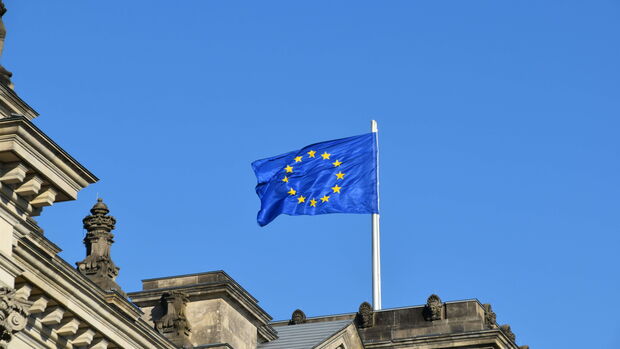
The Court of Justice of the European Union Ruling
In September 2024, the Court of Justice of the EU (CJEU) rejected Booking.com's claim that price parity clauses were necessary for its platform to work. This ruling eliminated the company’s main justification for using them.
Other Legal Challenges
In addition to the SHCA’s collective action, Booking.com is facing other pushbacks and investigations. The value of antitrust class actions alone has risen above €4.5 billion.
Choose country
Please click on a country to see more data.